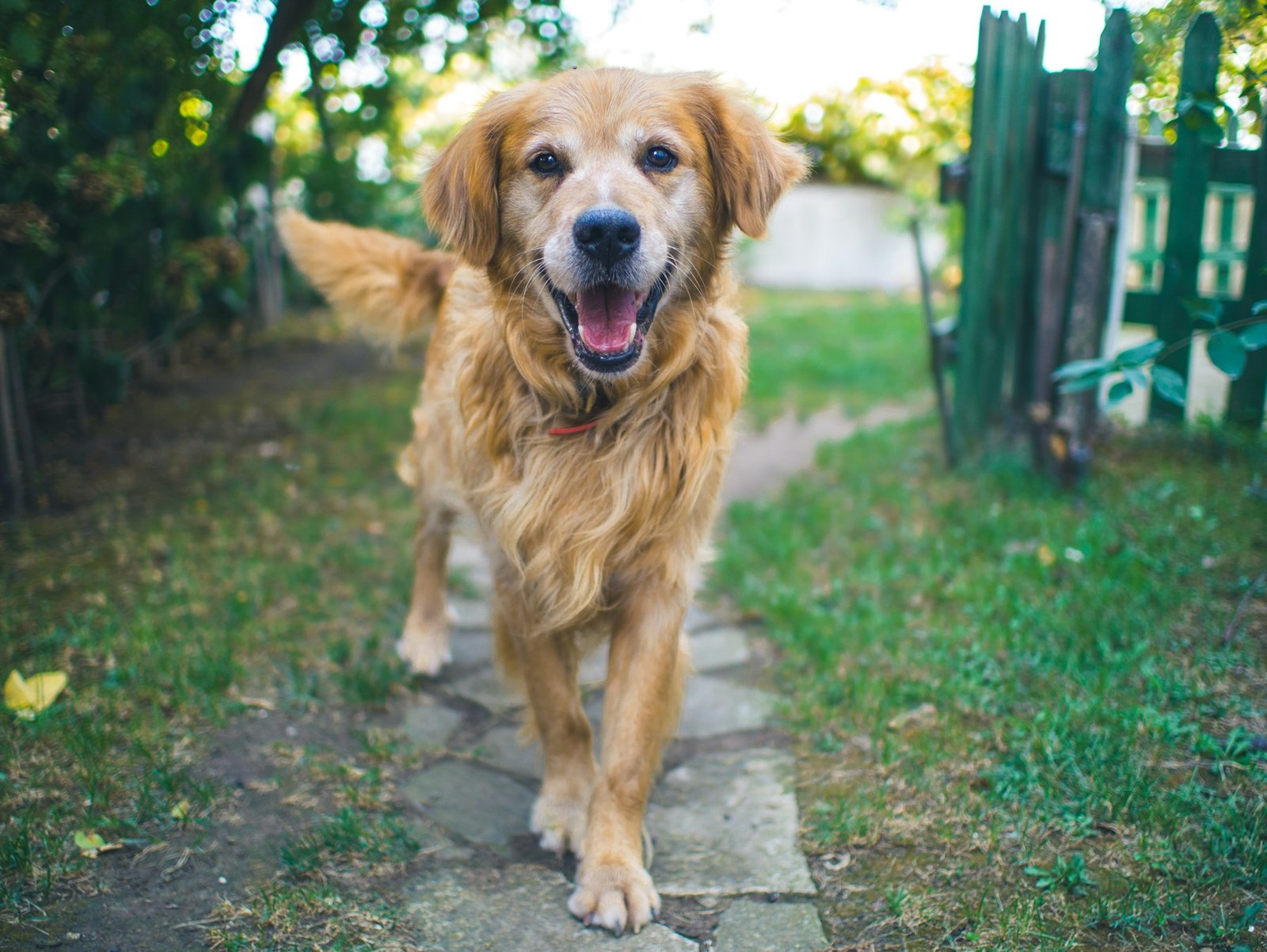
Bobby changed the way we listen.
Bobby was Robert's Alaskan Malamute: a loved family dog, not a case study. In his later season, the cold floor, slower rise, and longer recovery were easy to explain away one at a time. Together, they were asking for more attention.
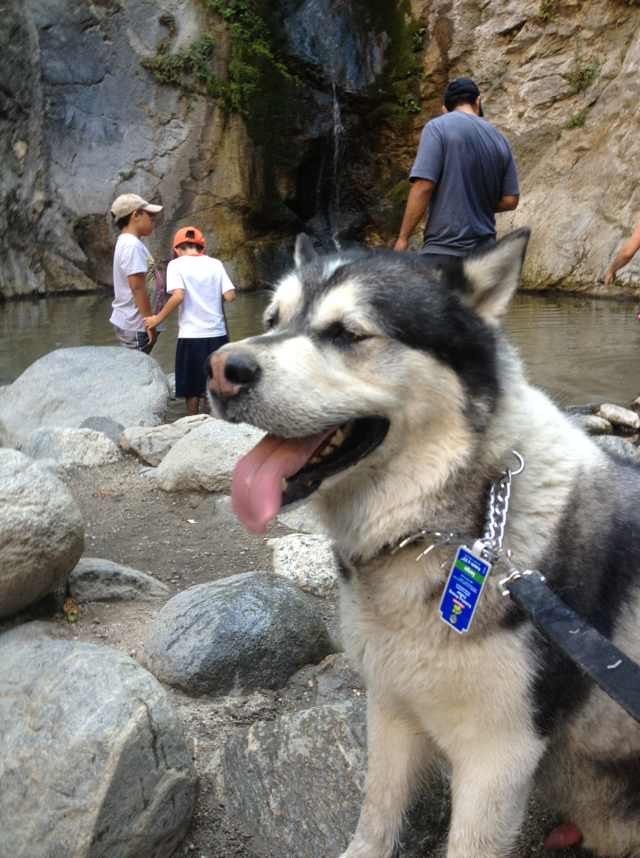
He was still Bobby on the days that worried us.
At first, the changes were easy to make small. Bobby chose the cool floor more often. He took a little longer to settle after moving. After a good outing, he sometimes needed more time before he looked comfortable again. None of those moments felt dramatic enough to stop the day over, and he still had the parts of himself everyone loved: a greeting, an appetite, a bright afternoon, a familiar way of asking to be near his people.
That is what made the later season hard to read. The changes were not one clean event. They lived in the transitions: rising after rest, getting comfortable at night, recovering after activity, choosing a different place to lie down. When a dog is still very much himself, a family can feel disloyal for wondering whether something is wrong. They can also feel guilty for missing a pattern that only becomes clear after it has repeated.
Robert did not need a dramatic answer or a stranger to tell him who Bobby was. He needed a calmer way to hold the ordinary details together: what had changed, when it happened, what helped, and what still brought Bobby joy. That kind of record can give a veterinary conversation somewhere concrete to begin, instead of asking a family to explain a whole difficult month in a few minutes.
The promise Bobby left with us.
Bobby taught us that behavior belongs in the care picture. Where a dog sleeps, how they rise, which route they avoid, how long they recover, and what still lights them up can all help a family and veterinary team understand the week at home. The goal is never to diagnose from a checklist. It is to help people notice what deserves a clearer conversation.
He also taught us that families need words before an appointment starts. A date, a short video of a changed movement, a medication name, and one specific example can make an overwhelming visit more useful. Our vet conversation guides and visit questions are built for exactly that moment.
And Bobby taught us to make room for the person doing the caring. Senior-dog care can hold hope, tenderness, fatigue, fear, and grief at the same time. Useful support does not pretend those feelings are separate from practical care. It gives them a place to go, whether that means a grief-support guide, a care directory, or an hour spent learning with people who understand the questions.

We wanted the ordinary details to count.
Bobby's story is not about finding one perfect answer. It is about how much a family can carry while they are trying to decide whether a change is normal, what comfort looks like today, and when it is time to ask for more help.
We built this care space for that middle ground: before panic, before regret, and before a family has to explain their pet from scratch in a few minutes.
See the vet-visit guidesThe small details we make room for now.
 Keep the ordinary momentA ten-second video of an everyday rise, walk, turn, or settling routine can help a veterinary team see what words often miss.Explore
 Notice what still lights them upA greeting, a favorite food, a calm nap, a sniff outside, or a familiar person can keep comfort and joy in the same conversation.Explore
 Let care include the familySupport can be practical and emotional at once: a clear question, a quiet home change, a shared note, or a place to say the hard part out loud.Explore